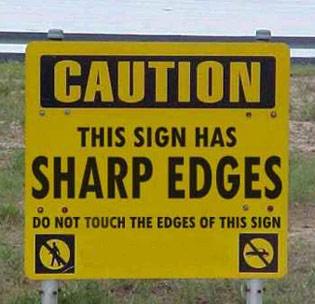
The immediate rush to supply lifebelts to all open water following a drowning is understandable but generally impracticable. Say that to the grieving mother however, and you are likely to get what you deserve.
Nobody seeing the Grenfell tragedy could doubt the need for it to be investigated thoroughly and that is the case – a detailed investigation is still underway. In parallel, the Hackitt review was launched and has sought to path-find a way of repairing “a broken system.”
It all reads well up to this point. Nobody wants a repeat of Grenfell. Except what has happened since is disproportionate – and many developers haven’t a clue what’s about to hit them.
Interest groups have seized the need for change as you would a rugby ball and propelled themselves forward. But nobody really is following them. They’re not early adopters – they’re opportunists. The perspective is lost.
Meanwhile, anyone opposing these sweeping changes has been viewed like Esther Rantzen looking down on a rogue trader selling soluble swimsuits.
Ben Bradford, CEO of BB7 brought this up (not the swimsuits) a few days ago in a superb article on LinkedIn that focusses on proportionality and I urge you to read it. Here it is.
The select committee he refers to happened Monday 22 November (that recent) and MPs heard from Dame Judith Hackitt and Sir Ken Knight on the progress that has been made. Have a watch – it shows a bit of fumbling and backpedalling but in general reassured MPs that all is on track for a bright future. It clarified the issue of low rise not being as big a problem as originally thought, Hackitt said that the HSE is making good progress and passed the buck on resourcing the HSE back to them.
“Proportionality” was a theme throughout, and for good reason. It is quite clear that the construction / property management industry (ie the whole sector including design through to eventual commissioning and beyond) can only be berated so much for inaction and failure to toe the line in advance of legislative requirements but ultimately it cannot be expected to take action when the path ahead is not wholly clear.
Turning to Building Control, Dame Hackitt when questioned admitted that she was heartened to see the public and private sector working together. I see no evidence of this (can anyone enlighten me?) but it is a good statement to make to ensure that both sides are informed of the need to co-operate to prevent heads being knocked together. Her message was to MPs but the real target should be the quarrelling of the public sector with the private sector for a bone it covets – everything below 18m. It was also a message that may be a sign of her recognising that both sectors are needed to prevent UK Building Control becoming a dogs dinner. There are not enough qualified staff to go around and silence from the private sector should not be taken as being acquiescence but rather “getting on with their jobs”. A withdrawal from helping out on high rise by private sector experts because they’ve had enough of the grandstanding about competence would cause great harm. We await the HSE details on such issues.
Now, (here we go again) what we need to make sure the BC sector truly does work together is a “one voice” approach with public and private working together to solve the registration, training and competency challenges.
We could even arrive at a position whereby Private Sector audits and Public Sector enforces. This has always been possible but self-interest groups have always steered away from such an obvious solution.
Yes, we need competency. Yes, it is going to be a requirement that everyone involved is competent. But let’s also ensure there is a degree of proportionality regarding how this can work in practice in Building Control.
Paul le Mare is an Approved Inspector who set up the FSBRG (Fire Safety and Building Regulations Group) that has brought together industry reps and heard from a wide range of interest groups – from Sir Ken Knight to Nick Coombe, Vice Chair, National Fire Chiefs Council, even Anthony Oloyede – President of the LABC.
It could easily transform itself into the single voice for Building Control. I encourage you to drop Paul a line on LinkedIn whether you are public or private sector BC and see how you can join in. I encourage Paul to ask Ben Bradford to join the group.
Such a body, representing BC professionally could take up the challenge of Hackitt to take the issue of competency responsibly but also push back on those areas that are disproportionate.
Otherwise who else will do it?
Please share
 The Secret Building Inspector
It would be great if public and private sector could working together, in fact a LA BCO said the same to me on site recently as the LA he worked for could not cope, however on the flip side there is one Chief Building Control Officer (Public sector) in my area that goes out of his way to cast aspersion on the capability of the private sector.
Yes there are good and not so good private and public bodies out there, but surely it is in the best interest of Joe public to provide a uniform front and to stop the needless back biting.
LikeLiked by 1 person